Spanish New World Poetry by Stephen Zelnick
In a recent interview (“Democracy Now", March 3, 2015), Noam Chomsky, portrayed a world of trouble but when asked whether he saw promise in recent global developments, Chomsky brightened. “Yes," he said, “the emergence of democratic movements in Latin America." Latin America has seen the worst of times. Argentina (land of silver) fell from economic prominence at the opening of the 20th C. into a nightmare of vicious fascist control, corruption, and impoverishment. There is not much Latin America needs to learn about imperialism’s destructiveness or the need to take a new path. In the same way, women in Latin America have been emerging from centuries of Hispanic machismo.
Alfonsina Storni put it this way:
Bien Pudiera Ser
It Well Could Be
Pudiera ser que todo lo que en verso he sentido
It could be that all I have felt in writing verse
No fuera mas que aquello que nunca pudo ser,
was no more than what could never be,
No fuera mas que algo vedado y reprimido
just something forbidden and repressed
De familia en familia, de mujer en muj
among families, particularly among women.
Dicen que en los solares de mi gente,
They say that in the households of my people,
Medido estaba todo aquello que se debia hacer…
moderation ought to govern all …
Dicen que silenciosas las mujeres han sido
They say the women have been silent
De mi casa materna… Ah, bien pudiera ser…
In my maternal home… Ah, it well could be …
A veces en mi madre apuntaron antojos
At times one noticed a craving in my mother
De liberarse, pero se le subió a los ojos
to free herself, but a deep bitterness
Una honda amargura, y en la sombra lloró.
rose in her eyes, and she wept in secret.
Y todo eso mordiente, vencido, mutilad
And all that gnawing, defeat, and mutilation,
Todo eso que se hallaba en su alma encerrado,
all that lived in her locked-up soul,
Pienso que sin quererlo lo he libertado yo.
I think, without intending it, I have set it free.
Irremediablemente (1919)
[All translations by Stephen Zelnick]
Alfonsina Storni was born in 1892 in a village in the Swiss Alps but was raised in Rosario, Argentina. She published seven books of poetry and died of breast cancer in 1938 in Buenos Aires. This is her iconic photo, later reproduced on a postage stamp issued in her honor.]
Either you have never heard of Alfonsina Storni (1892-1938) of Argentina, or you know of her through Mercedes Sosa’s ballad “Alfonsina y el Mar". The song derives its pathos from the myth of Storni’s death -- the artist, too brittle to survive the humiliations of a cruel world, walks deliberately into the sea. Alfonsina sent off her final poem “Voy a Dormir" (“I am Going to Sleep"), the source of the ballad, shortly before her suicide; some like to say her body was never recovered (not correct) leading to the trope of her eternal quest in underwater caverns brightened by her brilliance.
It’s a haunting tale. While Storni was upset by the suicide of her friend, the Uruguayan playwright Horacio Quiroga, the direct cause was the pain she suffered from breast cancer. Storni had presented herself as an ethereal spirit too fine for earthly love, “a fragile glass while love is immortal". In “La Invitacion Amable" (1916), she gently begs her reader “to come to the woods with a book, /one smooth and full of beauty?/…We could read a pleasant passage". But her last poem, “Voy a Dormir", shows the urban toughness of her later work:
Voy a dormir
I am going to sleep
Dientes de flores, cofia de roció,
Teeth of flowers, cap of dawn,
Manos de hierbas, tú nodriza fina,
hands of grass; dear nurse,
Tenme prestas las sabanas terrosas
bring me quick the earthy sheets
Y el edredón de musgos escardados.
and eiderdown of weeded moss.
Voy a dormir, nodriza mia, acuéstame.
I’m off to sleep, dear nurse, put me to bed.
Ponme una lampara a la cabecera;
Set a lamp at my headboard;
Una constelación, la que te guste;
or a constellation, whatever you want;
Todas son buenas: bajala un poquito.
It’s all good; just quiet it a little.
Déjame sola: oyes romper los brotes…
Leave me alone: let me hear the buds burst …
Te acuna un pie celeste desde arriba
a celestial foot from above gently rocks you
Y un pajaro te traza unos compases
and a bird gently takes your measurements
Para que olvides… Gracias. Ah, un encargo:
That’s how you forget … Thanks. Oh, and do this:
Si él llama nuevamente por teléfono
If he phones again
Le dices que no insista, que he salido…
tell him not to bother, say I’ve gone out...
Mascarilla y Trébol (1938)
Storni’s lines are brusque,controlled, skirting the damp terrain of sentiment, and stunning us into real- life awareness. Celestial care is a poetic trick of the mind, a way of covering the hurt (“That’s how you forget"). The voice is modern. That lover who insist he cares isn’t worth the bother.
In her later poems, Storni sometimes invited the notion that someday that one special man, as in Gershwin, might come along. For the most part, however, men are just not worth the trouble and, when you get right down to it, “they’re scarcely human". The hope persists, along with the knowledge that an encounter with perfection would destroy her:
Pasión
Passion
Unos besan las sienes, otros besan las manos,
Some kiss the temples, others the hands,
Otros besan los ojos, otros besan la boca.
Still others kiss the eyes, and some the mouth.
Pero de aquél a éste la diferencia es poca.
But of all these the difference is small.
No son dioses, ¿Qué quieres?, son apenas humanos.
They’re not gods, What do you expect? …they’re scarcely human.
Pero, encontrar un dia el esp iritu sumo,
But to meet one day a great spirit,
La condición divina en el pecho de un fuerte
with divine heart and strength,
El hombre en cuya llama quisieras deshacerte
the man in whose blaze you would break apart
¡como al golpe de viento las columnas de humo!
as columns of smoke disperse in a wind gust!
La mano que al posarse, grave, sobre tu espalda,
The hand that settles, heavy, on your back,
Haga noble tu pecho, generosa tu falda,
would excite your breast, open your skirt,
Y mas hondos los surcos creadores de tus sesos.
and delve the creative creases of your brain.
¡Y la mirada grande, que mientras te ilumine
Such a grand show, that even now lights you up,
Te encienda al rojoblanco, y te arda, y te calcine
ignites your blushes, burns you, and
Hasta el seco ramaje de los palidos huesos!
consumes you to a dry cluster of pale bones.
Mundo de Siete Pozos (1934)
This muscular sonnet is Storni at the top of her game. The rhymes and rhythm are perfect, the images memorable (columns of smoke dispersed by wind), the play of sound richly musical, and the flow of thought sure-handed, moving from casual talk to a fiery exaltation. The bold physicality of the poem dispels any lingering hints of sentimentality.
Still, several of Storni’s early sentimental pieces are worth the journey. “Se bado" (1918) demonstrates Storni’s talents at picturesque scene and indirect narrative. The poem evokes a world of romance, in wealth and ease, quietly passing away. Here we see Storni’s theatrical skills, the crisp dramatic turn and shift of voice, along with lush evocative images:
S Á B A D O
Saturday
Me levanté temprano y anduve descalza
I rose early and walked barefoot
Por los corredores: bajé a los jardines
through the corridors; down to the gardens
Y besé las plantas
and kissed the plants
Absorba los vahos limpios de la tierra,
took in the clean earth smells
Tirada en la grama;
breathed out by the grass;
Me bañé en la fuente que verdes achiras bathed in the fountain, green cannas
Circundan. Mas tarde, mojados de agua
all around. Later, combed my
Peiné mis cabellos. Perfumé las manos
damp hair and perfumed my hands
Con zumo oloroso de diamelas. Garzas
with juice of honeysuckle.
Herons Quisquillosas, finas,
elegant and fine,
De mi falda hurtaron doradas migajas. pecked golden crumbs from my skirt.
Luego puse traje de claran mas leve
Then I donned clothes of clarion,
Que la misma gasa.
more light than gauze itself.
De un salto ligero llevé hasta el vestabulo
With light step I came to the vestibule,
Mi sillón de paja. and to my straw armchair.
Fijos en la verja mis ojos quedaron,
My eyes stayed fixed on the gate,
Fijos en la verja.
fixed on the gate.
El reloj me dijo: diez de la mañana
The clock struck 10 in the morning.
Adentro un sonido de loza y cristales:
Inside, the sound of crockery and crystal:
Comedor en sombra; manos que aprestaban
The dining-room in shadow; hands that Manteles.
pressed smooth the tablecloths.
Afuera, sol como no he visto
In the hall, sun like I have never seen
Sobre el mirmol blanco de la escalinata.
over the white marble stair-case.
Fijos en la verja siguieron mis ojos,
My eyes still fixed on the gate,
Fijos. Te esperaba.
fixed there, waiting for you.
El Dulce Daño (1918)
Storni’s first critical recognition came with Languidez (1920). The book sold out rapidly and required immediately a second edition. Fame opened doors to travel, and to a circle of talented friends. “Esta Tarde" is another sensuous piece in Storni’s earlier, less hard-bitten manner:
ESTA TARDE
This Afternoon
Ahora quiero amar algo lejano...
Now I want to love something far off …
Algún hombre divin
Some man divine
Que sea como un ave por lo dulce,
who would be like a bird for his sweetness,
Que haya habido mujeres infinitas
who had known uncounted women
Y sepa de otras tierras, y florezca
and knew other lands, and whose words
La palabra en sus labios, perfumada:
flowed from his lips like perfume:
Suerte de selva virgen bajo el viento...
Luck from the virgin forest on the wind …
Y quiero amarlo ahora. Esta la tarde
I want to love him now. This very afternoon
Blanda y tranquila como espeso musgo,
Soft and peaceful, as thick moss,
Tiembla mi boca y mis dedos finos,
shivering my mouth and delicate fingers,
Se deshacen mis trenzas poco a poco.
my braids loosening, little by little.
Siento un vago rumor... Toda la tierr
I sense a vague rumor … all the earth
Esta cantando dulcemente... Lejos
is singing sweetly … far off
Los bosques se han cargado de corolas,
woods, have been laden with blossoms,
Desbordan los arroyos de sus cauces
the streams overflow their banks
Y las aguas se filtran en la tierra
and waters infiltrate the land
Asi como mis ojos en los ojos
like my eyes entranced in the eyes
Que estoy sonañdo embelesada...
of him I dream of …
Pero
But
Ya esta bajando el sol de los montes,
Now the sun sets on the mountains,
Las aves se acurrucan en sus nidos,
Birds settle in their nests,
La tarde ha de morir y él esta lejos...
The afternoon has died and he’s far off …
Lejos como este sol que para nunca
Far as the sun that never halts but
Se marcha y me abandona, con las manos
marches on and abandons me, with hands
Hundidas en las trenzas, con la boca
buried in my tresses, with my mouth
Húmeda y temblorosa, con el alma
damp and trembling, with my soul
Sutilizada, ardida en la esperanza
expectant, burning in hope
De este amor infinito que me vuelve
of infinite love that turns me
Dulce y hermosa...
sweet and lovely …
Languidez (1920)
“Esta Tarde" is languid to perfection -- the easy play between over-ripe romantic images and the soft, orgasmic amble to fulfillment. His love-making “shivering my mouth and delicate fingers" and loosening her “tight- bound braids, little by little… as streams flood an infiltrated landscape." As the day descends, she finds herself “with hands /buried in my tresses, with my mouth /damp and trembling "
"and all that turning her “sweet
and lovely." This is a luxurious bit of sensuality in language left to wander in a loose figuring of “languidez." In a few short years, Storni will stop writing this way and adopt terse, hard-eyed realism.
In 1912, at twenty, Alfonsina arrived in Buenos Aires, and a year later gave birth to a son fathered by a man who abandoned her. She had been through the dissolution of her family and death of her father; poverty; humiliating jobs teaching special-education children; and the challenge, without resources or support, of raising a son in an unfamiliar city. This trying time was also her most creative, culminating in the publication of Ocre (1925), generally considered her most complete collection and the one in which she achieved her distinctive voice.
Storni is known by some for her lacerating poems aimed at macho hypocrisy. “ Tu me quieres blanca"
(You want me pure) was published in 1918, and while forceful, the poem shows her poetic immaturity. “Hombre Pequenito" (1919) is a brusque insult aimed at an unwanted lover but lacks context. Its central image -- a caged bird that wants to fly -- is juvenile.
By "Duerme Tranquillo", (Sleep Peacefully), Storni’s art has developed:
Dijiste la palabra que enamora
You said the word that brings love
A mis oidos. Ya olvidaste. Bueno.
To my ears. You forgot? Good.
Duerme tranquilo. Debe estar sereno
Sleep peacefully. Your face should
Y hermoso el rostro tuyo a toda hora.
Be serene and lovely all day.
Cuando encanta la boca seductora
When your seductive mouth enchants
Debe ser fresca, su decir ameno;
it should be fresh, its speech pleasant;
Para tu oficio de amador no es bueno
For your job as lover, it’s not good
El rostro ardido del que mucho llora.
To have a face flushed by weeping.
Te reclaman destinos mas gloriosos
They claim for you a glorious destiny,
Que el de llevar, entre los negros pozos
what with the black pools
De las ojeras, la mirada en duelo.
of your eyes and your look of grieving.
¡Cubre de bellas victimas el suelo!
Bury your lovely victims in the earth!
Mas daño al mundo hizo la espada fatua
The world is more damaged by a dull sword
De algún barbaro rey y tiene estatua.
than by a cruel king honored in stone.
Ocre, (1925)
The sonnet has perfect rhymes, relaxed but persuasive rhythms, and one artful shift of focus. The speaker’s sarcasm has bite “
“You forgot? Good." /Sleep peacefully". A pocket drama, the injured woman observes her triumphant seducer. With scorn, she inventories his perfection for his “oficio de amador": his artful deceit, the innocence of his beauty, the black pools of his eyes, and his doleful appearance.
The seducer, for all his skill, however, deserves no honors; his is an “espada fatua" (dull sword), an assault on his manliness, that injures legions of hopeful girls who, unlike this speaker, haven’t yet discovered his duplicity.
Storni’s bitterness was well earned. If her poetry provides a reliable index, Alfonsina was a rebellious woman, quick to love, and willing to pay the costs. This battle between desire and self-command motivates some of Storni’s best poems:
[Juana de Ibarbourou (1892 -- 1979): was a celebrated Uruguayan poet and Alfonsina’s good friend. More at home in the Latin world than Storni, she wore her elegance and beauty well. She could easily serve as the model for 'Dolor’.]
DOLOR
Pain
Quisiera esta tarde divina de octubre
I would want this divine October afternoon
Pasear por la orilla lejana del mar;
to stroll along the far shores of the sea;
Oue la arena de oro, y las aguas verdes,
On golden sands, aside green waters
Y los cielos puros me vieran pasar
And the pure heavens seeing me pass.
Ser alta, soberbia, perfecta, quisiera,
To be tall, superb, perfect, desired,
Como una romana, para concordar
like a noble Roman woman, in accord
Con las grandes olas, y las rocas muertas
with the great waves, and the grim rocks
Y las anchas playas que ciñen el mar.
And the wide beaches that hug the sea.
Con el paso lento, y los ojos frios
With slow step, and cold eyes
Y la boca muda, dejarme llevar;
and silent mouth, let me pass;
Ver cómo se rompen las olas azules
To see without blinking the blue waves
granitos y no parpadear
break against the granite stone
Ver cómo las aves rapaces se comen
To see without concern rapacious birds
Los peces pequeños y no despertar;
devour little fishes;
Pensar que pudieran las fragiles barcas
To picture without sighs fragile boats
Hundirse en las aguas y no suspirar;
sink below the waves;
Ver que se adelanta, la garganta al aire,
To see a most lovely man approach, with
El hombre mas bello; no desear amar...
noble aspect; without wishing to love him …
Perder la mirada, distraadamente,
To lose that glance, carelessly,
Perderla, y que nunca la vuelva a encontrar;
Drop it, and never turn again to find it; and
Y, figura erguida, entre cielo y playa,
Figure erect, between heaven and beach,
Sentirme el olvido perenne del mar.
feel the everlasting oblivion of the sea.
Ocre (1925)
This aristocratic Roman woman, “tall, superb, perfect, desired", whose step is measured and glance unperturbed is not what the speaker is but what she would wish to be. She would wish to pass by that “hombre mas bello" with “la garganta al aire" without responding to that flutter of excitement and never turn to recollect the possibilities. The poem’s calm procedure and expression match the wish. The constant qualifying phrases mimic cool reason; the long lines unfold slowly; there is no dramatic break of discovery or surprise. The poem, under Storni’s expert control, unfolds unperturbed, while beneath, we are aware, coils a tangle of feelings.
“Fiesta" puts this drama in a Lain American setting. Latin culture is rich with color, music and dance, the delicate rituals of courtship that tempt the heart with elaborate romance. As in “Dolor", however, she turns for relief to what is immense and unknowable, cold and forbidding. For the intelligent woman, there is irony without joy or hope:
[Storni lived in Buenos Aires during the height of tango and its sensual allure. Carlos Gardél (1890- 1935), the great Argentine composer and performer, earned world-wide fame in those years. Storni delighted in singing popular tango songs till dawn in local bars..]
Fiesta
Fiesta
Junto a la playa, núbiles criaturas,
Together on the beach, nubile creatures,
Dulces y bellas, danzan, las cinturas
sweet and pretty, dance, their waists
Abandonadas en el brazo amigo.
abandoned to a friendly embrace.
Y las estrellas sirven de testigo.
And the stars look on as witness.
Visten de azul, de blanco, lata, verde…
The dancers appear in blue, white, silver, green…
Y la mano pequeña, que se pierde
and the small hand, that strays
Entre la grande, espera. Y la fingida,
among the great, waits in hope. And the false,
Vaga frase amorosa, ya es creada.
vague phrase of love, now is believed.
Hay quien dice feliz: -La vida es bella.
Some speak happily: -- Life is beautiful.
Hay quien tiende su mano hacia una estrella
and one holds her hand up to a star
Y la espera con dulce arrobamiento.
And wishes on it in sweet ecstasy.
Yo me vuelvo de espaldas. Desde un quiosco
I turn my back. From this kiosk of delights
Contemplo el mar lejano, negro y fosco,
and contemplate the distant sea, black and wild,
Irónica la boca. Ruge el viento.
With ironic mouth. The wind roars.
Ocre (1925)
Writing about a poet whose entire project is to understand women's experience tests a male critic. Tiresias, it was said, was privileged to understand both worlds. Men ride the tiger of sexual urgency, a fateful curse, often mistaken for a model of progress and rationality. For men, it’s a note struck several times a day. Women live in longer cycles, monthly cycle and life-long. At play is the allure of nature pitted against one’s personal desires. Storni at times sees these balancing acts as treacherous, endless long division with no decisive remainder:
CANCION DE LA MUJER ASTUTA
Song of the Astute Woman
Cada ritmica luna que pasa soy llamada,
With each phase of the moon I am called
por los números graves de Dios, a dar mi vida
by God’s mighty host, to give my life
en otra vida: mezcla de tinta azul teñida;
unto another: to mix in a blue tint; the same
la misma extraña mezcla con que ha sido amasada. odd
mix with which it had been formed.
Y a través de mi carne, miserable y cansada,
And through my flesh, miserable and tired, filtra un calido viento de tierra prometida,
flows a warm wind of earthly promise,
y bebe, dulce aroma, mi nariz dilatada
s it drinks , sweet aroma, my nose dilated
a la selva exultante y a la rama nutrida.
at the exultant forest and wide-spread branch.
Un engañoso canto de sirena me cantas,
You sing a devious siren’s song,
¡naturaleza astuta ! Me atraes y me encantas
Wise nature! You attract and enchant me para cargarme luego de alguna humana fruta.
By loading me each time with human fruit.
Engaño por engaño: mi belleza se esquiva
Still, by trickery, my beauty avoids
al llamado solemne; de esta fiebre viva,
the solemn call; escapes life’s fever,
algún amor estéril y de paso, disfruta.
and in passing, enjoys a bit of sterile love.
Mundo de Siete Pozos (1934)
Storni’s “And through my flesh, miserable and tired /flows a warm wind of earthly promise, as it drinks sweet aroma … at the exultant forest…" discloses a feminine secret. Her speaker salutes nature and her “devious siren’s song" each month loading her with “human fruit." In avoiding nature’s “solemn call", however, the astute modern woman is free to enjoy only “a bit of sterile love." She has made a bargain with life. She gains a parade of lovers, but the love is unfruitful. This fearful resistance avoids the risks of deception and abandonment, but at a price,
Storni was a mother, and happily so. Her late sonnet, “El Hijo" (The Child) describes the confusion of pregnancy, combining sweet languor with expectation, mixed with the horror of nature’s intrusion and finally something like an alien possession. There is not much rational here in the play of sweetness and fear, bit I suspect it rings true to expectant mothers in a culture increasingly encouraged to resist what nature commands:
El Hijo
The Child
Se inicia y abre en ti, pero estas ciega
It begins and opens in you, but you are blind
Para ampararlo y si camina ignoras
to help it; so you walk on unknowing whether it’s to be
Por flores de mujer o espada de hombre,
Flowers for a woman or a sword of a man,
Ni qué alma prende en él, ni cómo mira.
Nor what soul attaches in it, nor how it looks.
Lo acunas balanceando, rama de aire,
You rock the cradle balancing on a branch of air,
Y se deshace en pétalos tu boca
and your mouth comes apart in petals
porque tu carne ya no es carne, es tibio
because your flesh now is not flesh, it is a lukewarm
Plumón de llanto que sonrie y alza.
featherbed of weeping, full of smiles and rebellion.
Sombra en tu vientre apenas te estremece
The shadow in your belly scarcely shakes you;
Y sientes ya que moriras un dia
Yet you feel now you could die this very day
Por aquél sin piedad que te deforma.
because that one deforms you without pity.
Una frase brutal te corta el paso
One brutal phrase cuts you in passing
Y aun rezas y no sabes si el que empuja
and you pray, not knowing if the child that pushes
Te arrolla sierpe o angel se despliega.
is a serpent coiling in you or an angel spreading wings.
Mascarilla y Trébol (1938)
The memorable closing image fixes a thought in precise terms, giving us a way to figure experience. It’s what first-rate poets do.
The child is born, innocent, pure, and perfect -- a mother’s romance. However, that little boy with smile so sweet, harbors a man, whose emergence is unpleasant. As usual the romantic idyll gives way to complex design. It’s an old thought, one that Wordsworth puzzled over, but Storni provides a mother’s view of this unpleasant transformation. The poem records a loss, but its feel is shock in catching a glimpse of human frailty, totally expected and oddly disturbing:
In several photos, Alfonsina is blonde and obviously European.]
Cara Copiada
Copied Face
Es la cara de un niño transparente, azulosa,
A child’s transparent face, sky-blue,
Como si entre los músculos y piel de la cara
Like what lies between muscles and skin of the face
Una napa de leche lentamente rodara.
The skim of milk, slowly forming.
En ella solamente la boca es una rosa.
where only the mouth is a rose.
Y detras de ese cutis de lavada azucena
And behind this complexion of washed lily
Otra cara se esconde, fuertemente esculpida;
Another face hides, strongly sculpted.
Es aquella del hombre que le ha dado la vida
The face of the man who has given him life
Y se mueve en sus rasgos y los gestos le ordena:
and stirs in his features and shapes his gestures:
Mira con inocencia y es dura su mirada.
Look without knowing and it’s hard to see.
Su sonrisa es tranquila y en el fondo es taimada:
His smile is tranquil but deep-down crafty;
Hay huellas en la fresca ternura de su pulpa.
There are hard ridges in his fresh core of tenderness.
Ya en la boca se pinta la blandura redonda
About the mouth one now sees the blandness
Que dan los besos largos y en su nariz la honda.
only long kisses give; and his nose assertive.
Codicia de la especie. ¡Y carece de culpa!
The lust of the species, as yet without blame.
Ocre (1925)
In early poems Storni invited her reader to sweet communion through poetry. Her journey, however, took the hard road of an embattled life and self-assertion. In the following gesture of defiance, she allies herself with Prometheus, the liberator, against Olympian tyranny. A woman alone, in frail flesh and unsettled circumstances, succeeds by pluck and imagination. She gives birth to herself, no longer Alfonsina, daughter of Alphonse, but as the memorable Alfonsina, lending courage to Latin America and beyond. In “Ruego Prometeo" we leave the quiet shade and peaceful book for a much tougher version of this poet’s creed:
Ruego a Prometeo
Request to Prometheus
Agrandame tu roca, Prometeo;
Make room for me upon your rock, Prometheus;
Entrégala al dentado de la muela
Bring the jagged millstone
Que tritura los astros de la noche
that grinds the night’s stars
Y hazme rodar en ella, encadenada.
And let me wheel about, enchained.
Vuelve a encender las furias vengadoras
Let me set the vengeful furies of Zeus
De Zeus y dame latigo de rayos
aflame; and give me a whip of thunderbolts
Contra la boca rota, mas guardando
to strike against his ragged mouth, still guarding
Su ramo verdad entre los dientes.
his branch of truth between his teeth.
Cubre el rostro de Zeus con las gorgonas;
Cover the face of Zeus with Gorgons;
A sus perros azuza y los hocicos
and loose his dogs and let their muzzles
Eriza en sus sombrios hipogeos:
rip into his gloomy entrails.
He aqui a mi cuerpo como un joven potro
Here I am in body like a young colt
piafante y con la espuma reventada
pawing the ground, spraying foam, and
Salpicando las barbas del Olimpo.
ready to be-spatter the beards of Olympus.
Mascarilla y Trébol (1938)
Here Storni deploys sound to enforce her meaning. Along with the aggressive imperatives, the words themselves grind, like the celestial millstone. Roll “a sus perros azuza y los hocicos /eriza en sus sombrios hipogeos" in your mouth to see what I mean.
This Alfonsina is no longer the demure virgin retreating to amiable communion. The old world holds worn truths in its ragged mouth. Herald of a new world, she “paws the ground, spraying foam," urgent and powerful, with fierce energy, to tear it all apart.
«Alfonsina y el mar» es una zamba compuesta por el pianista argentino Ariel Ramirez y el escritor Félix Luna, publicada por primera vez en el disco de Mercedes Sosa Mujeres argentinas, de 1969. Image Credit: Falsia de Mar of the Union Hispano Americano
Alfonsina y El Mar
Por la blanda arena
Along the white sand
Que lame el mar
that the sea laps,
Su pequeña huella
one finds your small footprint
No vuelve mas
that never turns back
Un sendero solo
to the lonely path
De pena y silencio llegó
of pain and silence.
Hasta el agua profunda
Up to the deep water
Un sendero solo
the lonely path
De penas mudas llegó
of pain turns
Hasta la espuma.
to sea-foam.
Sabe Dios qué angustia
God knows what anguish
Te acompa
accompanies you,
Que dolores viejos
what old sorrows
Call tu voz
quieted your voice;
Para recostarte
To fashion you
Arrullada en el canto
lulled to sleep in song
De las caracolas marinas
among conch shells,
La canción que canta
the song that sounds
En el fondo oscuro del mar
in the dim sea-depths,
La caracola.
in your pearly home of shell.
Te vas Alfonsina
You come, Alfonsina,
Con tu soledad
with your solitude;
Qué poemas nuevos
what new poems
Fuiste a buscar?
have you found to explore?
Una voz antigua
An ancient voice
De viento y de sal
of wind and salt
Te requiebra el alma
flirts with your soul
Y la esta llevando
and is bringing it
Y te vas hacia alla
towards the place
Como en sueños
of dreams.
Dormida, Alfonsina
Sleep, Alfonsina
Vestida de mar.
Dressed in the sea.
Cinco sirenitas
Five syrens
Te llevarn
carry you
Por caminos de algas
along roads of sea grass
Y de coral
and of coral
Y fosforescentes
and phosphorescence.
Caballos marinos harón
Sea horses guard
Una ronda a tu lado
you on all sides,
Y los habitantes
and water-folk
Del agua van a jugar
come quick
Pronto a tu lado.
to play with you.
Bajame la lampara
“ Turn down the lamp
Un poco mas
a Little;
Déjame que duerma
Let me sleep,
Nodriza, en paz
my nurse, in peace;
Y si llama l
and if you waken me
No le digas que estoy
don’t tell me I am
Dile que Alfonsina no vuelve
that Alfonsina who never returns;
Y si llama l
and if you waken me
No le digas nunca que estoy
don’t ever say such things;
Di que me he ido.
Say that I have arrived."
Te vas Alfonsina
Come, Alfonsina,
Con tu soledad
with your solitude
Qué poemas nuevos
what new poems
Fuiste a buscar?
have you sought?
Una voz antigua
An ancient voice
De viento y de sal
of wind and salt
Te requiebra el alma
flirts with your soul
Y la est llevando
and carries it
Y te vas hacia all
and you towards
Como en sueos
that place of dreams.
Dormida, Alfonsina
Sleep, Alfonsina,
Vestida de mar.
Dressed in the sea.
Tr. Stephen Zelnick
[This monument to Alfonsina at Playa la Perla, Mar La Plata, Argentina shows her as a female warrior, an appropriate depiction of her accomplishment.]
Works:
Alfonsina Storni, Antologia Poetica, editorial Losada, Buenos Aires, 1956 (ed. Susana Zanetti). Selections from:a Inquietud del Rosal, 1916 El Dulce Daño, 1918 Irremediablemente, 1919
Languidez, 1920
Ocre, 1925 undo de Siete Pozos, 1934 Mascarilla y Trébol, 1938
Translations by Stephen Zelnick, Emeritus Professor of English, Temple University.
Those wishing to participate in the Neruda Seminar online, contact the author on Facebook or at stephen.zelnick@gmail.com
Alfonsina Storni put it this way:
Bien Pudiera Ser
It Well Could Be
Pudiera ser que todo lo que en verso he sentido
No fuera mas que aquello que nunca pudo ser,
was no more than what could never be,
No fuera mas que algo vedado y reprimido
just something forbidden and repressed
De familia en familia, de mujer en muj
among families, particularly among women.
Dicen que en los solares de mi gente,
They say that in the households of my people,
Medido estaba todo aquello que se debia hacer…
moderation ought to govern all …
Dicen que silenciosas las mujeres han sido
They say the women have been silent
De mi casa materna… Ah, bien pudiera ser…
In my maternal home… Ah, it well could be …
A veces en mi madre apuntaron antojos
At times one noticed a craving in my mother
De liberarse, pero se le subió a los ojos
to free herself, but a deep bitterness
Una honda amargura, y en la sombra lloró.
rose in her eyes, and she wept in secret.
Y todo eso mordiente, vencido, mutilad
And all that gnawing, defeat, and mutilation,
Todo eso que se hallaba en su alma encerrado,
all that lived in her locked-up soul,
Pienso que sin quererlo lo he libertado yo.
I think, without intending it, I have set it free.
Irremediablemente (1919)
[All translations by Stephen Zelnick]
Alfonsina Storni was born in 1892 in a village in the Swiss Alps but was raised in Rosario, Argentina. She published seven books of poetry and died of breast cancer in 1938 in Buenos Aires. This is her iconic photo, later reproduced on a postage stamp issued in her honor.]
Either you have never heard of Alfonsina Storni (1892-1938) of Argentina, or you know of her through Mercedes Sosa’s ballad “Alfonsina y el Mar". The song derives its pathos from the myth of Storni’s death -- the artist, too brittle to survive the humiliations of a cruel world, walks deliberately into the sea. Alfonsina sent off her final poem “Voy a Dormir" (“I am Going to Sleep"), the source of the ballad, shortly before her suicide; some like to say her body was never recovered (not correct) leading to the trope of her eternal quest in underwater caverns brightened by her brilliance.
It’s a haunting tale. While Storni was upset by the suicide of her friend, the Uruguayan playwright Horacio Quiroga, the direct cause was the pain she suffered from breast cancer. Storni had presented herself as an ethereal spirit too fine for earthly love, “a fragile glass while love is immortal". In “La Invitacion Amable" (1916), she gently begs her reader “to come to the woods with a book, /one smooth and full of beauty?/…We could read a pleasant passage". But her last poem, “Voy a Dormir", shows the urban toughness of her later work:
Voy a dormir
I am going to sleep
Dientes de flores, cofia de roció,
Teeth of flowers, cap of dawn,
Manos de hierbas, tú nodriza fina,
hands of grass; dear nurse,
Tenme prestas las sabanas terrosas
bring me quick the earthy sheets
Y el edredón de musgos escardados.
and eiderdown of weeded moss.
Voy a dormir, nodriza mia, acuéstame.
I’m off to sleep, dear nurse, put me to bed.
Ponme una lampara a la cabecera;
Set a lamp at my headboard;
Una constelación, la que te guste;
or a constellation, whatever you want;
Todas son buenas: bajala un poquito.
It’s all good; just quiet it a little.
Déjame sola: oyes romper los brotes…
Leave me alone: let me hear the buds burst …
Te acuna un pie celeste desde arriba
a celestial foot from above gently rocks you
Y un pajaro te traza unos compases
and a bird gently takes your measurements
Para que olvides… Gracias. Ah, un encargo:
That’s how you forget … Thanks. Oh, and do this:
Si él llama nuevamente por teléfono
If he phones again
Le dices que no insista, que he salido…
tell him not to bother, say I’ve gone out...
Mascarilla y Trébol (1938)
Storni’s lines are brusque,controlled, skirting the damp terrain of sentiment, and stunning us into real- life awareness. Celestial care is a poetic trick of the mind, a way of covering the hurt (“That’s how you forget"). The voice is modern. That lover who insist he cares isn’t worth the bother.
In her later poems, Storni sometimes invited the notion that someday that one special man, as in Gershwin, might come along. For the most part, however, men are just not worth the trouble and, when you get right down to it, “they’re scarcely human". The hope persists, along with the knowledge that an encounter with perfection would destroy her:
Pasión
Passion
Unos besan las sienes, otros besan las manos,
Some kiss the temples, others the hands,
Otros besan los ojos, otros besan la boca.
Still others kiss the eyes, and some the mouth.
Pero de aquél a éste la diferencia es poca.
But of all these the difference is small.
No son dioses, ¿Qué quieres?, son apenas humanos.
They’re not gods, What do you expect? …they’re scarcely human.
Pero, encontrar un dia el esp iritu sumo,
But to meet one day a great spirit,
La condición divina en el pecho de un fuerte
with divine heart and strength,
El hombre en cuya llama quisieras deshacerte
the man in whose blaze you would break apart
¡como al golpe de viento las columnas de humo!
as columns of smoke disperse in a wind gust!
La mano que al posarse, grave, sobre tu espalda,
The hand that settles, heavy, on your back,
Haga noble tu pecho, generosa tu falda,
would excite your breast, open your skirt,
Y mas hondos los surcos creadores de tus sesos.
and delve the creative creases of your brain.
¡Y la mirada grande, que mientras te ilumine
Such a grand show, that even now lights you up,
Te encienda al rojoblanco, y te arda, y te calcine
ignites your blushes, burns you, and
Hasta el seco ramaje de los palidos huesos!
consumes you to a dry cluster of pale bones.
Mundo de Siete Pozos (1934)
This muscular sonnet is Storni at the top of her game. The rhymes and rhythm are perfect, the images memorable (columns of smoke dispersed by wind), the play of sound richly musical, and the flow of thought sure-handed, moving from casual talk to a fiery exaltation. The bold physicality of the poem dispels any lingering hints of sentimentality.
Still, several of Storni’s early sentimental pieces are worth the journey. “Se bado" (1918) demonstrates Storni’s talents at picturesque scene and indirect narrative. The poem evokes a world of romance, in wealth and ease, quietly passing away. Here we see Storni’s theatrical skills, the crisp dramatic turn and shift of voice, along with lush evocative images:
S Á B A D O
Saturday
Me levanté temprano y anduve descalza
I rose early and walked barefoot
Por los corredores: bajé a los jardines
through the corridors; down to the gardens
Y besé las plantas
and kissed the plants
Absorba los vahos limpios de la tierra,
took in the clean earth smells
Tirada en la grama;
breathed out by the grass;
Me bañé en la fuente que verdes achiras bathed in the fountain, green cannas
Circundan. Mas tarde, mojados de agua
all around. Later, combed my
Peiné mis cabellos. Perfumé las manos
damp hair and perfumed my hands
Con zumo oloroso de diamelas. Garzas
with juice of honeysuckle.
Herons Quisquillosas, finas,
elegant and fine,
De mi falda hurtaron doradas migajas. pecked golden crumbs from my skirt.
Luego puse traje de claran mas leve
Then I donned clothes of clarion,
Que la misma gasa.
more light than gauze itself.
De un salto ligero llevé hasta el vestabulo
With light step I came to the vestibule,
Mi sillón de paja. and to my straw armchair.
Fijos en la verja mis ojos quedaron,
My eyes stayed fixed on the gate,
Fijos en la verja.
fixed on the gate.
El reloj me dijo: diez de la mañana
The clock struck 10 in the morning.
Adentro un sonido de loza y cristales:
Inside, the sound of crockery and crystal:
Comedor en sombra; manos que aprestaban
The dining-room in shadow; hands that Manteles.
pressed smooth the tablecloths.
Afuera, sol como no he visto
In the hall, sun like I have never seen
Sobre el mirmol blanco de la escalinata.
over the white marble stair-case.
Fijos en la verja siguieron mis ojos,
My eyes still fixed on the gate,
Fijos. Te esperaba.
fixed there, waiting for you.
El Dulce Daño (1918)
Storni’s first critical recognition came with Languidez (1920). The book sold out rapidly and required immediately a second edition. Fame opened doors to travel, and to a circle of talented friends. “Esta Tarde" is another sensuous piece in Storni’s earlier, less hard-bitten manner:
ESTA TARDE
This Afternoon
Ahora quiero amar algo lejano...
Now I want to love something far off …
Algún hombre divin
Some man divine
Que sea como un ave por lo dulce,
who would be like a bird for his sweetness,
Que haya habido mujeres infinitas
who had known uncounted women
Y sepa de otras tierras, y florezca
and knew other lands, and whose words
La palabra en sus labios, perfumada:
flowed from his lips like perfume:
Suerte de selva virgen bajo el viento...
Luck from the virgin forest on the wind …
Y quiero amarlo ahora. Esta la tarde
I want to love him now. This very afternoon
Blanda y tranquila como espeso musgo,
Soft and peaceful, as thick moss,
Tiembla mi boca y mis dedos finos,
shivering my mouth and delicate fingers,
Se deshacen mis trenzas poco a poco.
my braids loosening, little by little.
Siento un vago rumor... Toda la tierr
I sense a vague rumor … all the earth
Esta cantando dulcemente... Lejos
is singing sweetly … far off
Los bosques se han cargado de corolas,
woods, have been laden with blossoms,
Desbordan los arroyos de sus cauces
the streams overflow their banks
Y las aguas se filtran en la tierra
and waters infiltrate the land
Asi como mis ojos en los ojos
like my eyes entranced in the eyes
Que estoy sonañdo embelesada...
of him I dream of …
Pero
But
Ya esta bajando el sol de los montes,
Now the sun sets on the mountains,
Las aves se acurrucan en sus nidos,
Birds settle in their nests,
La tarde ha de morir y él esta lejos...
The afternoon has died and he’s far off …
Lejos como este sol que para nunca
Far as the sun that never halts but
Se marcha y me abandona, con las manos
marches on and abandons me, with hands
Hundidas en las trenzas, con la boca
buried in my tresses, with my mouth
Húmeda y temblorosa, con el alma
damp and trembling, with my soul
Sutilizada, ardida en la esperanza
expectant, burning in hope
De este amor infinito que me vuelve
of infinite love that turns me
Dulce y hermosa...
sweet and lovely …
Languidez (1920)
“Esta Tarde" is languid to perfection -- the easy play between over-ripe romantic images and the soft, orgasmic amble to fulfillment. His love-making “shivering my mouth and delicate fingers" and loosening her “tight- bound braids, little by little… as streams flood an infiltrated landscape." As the day descends, she finds herself “with hands /buried in my tresses, with my mouth /damp and trembling "
"and all that turning her “sweet
and lovely." This is a luxurious bit of sensuality in language left to wander in a loose figuring of “languidez." In a few short years, Storni will stop writing this way and adopt terse, hard-eyed realism.
In 1912, at twenty, Alfonsina arrived in Buenos Aires, and a year later gave birth to a son fathered by a man who abandoned her. She had been through the dissolution of her family and death of her father; poverty; humiliating jobs teaching special-education children; and the challenge, without resources or support, of raising a son in an unfamiliar city. This trying time was also her most creative, culminating in the publication of Ocre (1925), generally considered her most complete collection and the one in which she achieved her distinctive voice.
Storni is known by some for her lacerating poems aimed at macho hypocrisy. “ Tu me quieres blanca"
(You want me pure) was published in 1918, and while forceful, the poem shows her poetic immaturity. “Hombre Pequenito" (1919) is a brusque insult aimed at an unwanted lover but lacks context. Its central image -- a caged bird that wants to fly -- is juvenile.
By "Duerme Tranquillo", (Sleep Peacefully), Storni’s art has developed:
Dijiste la palabra que enamora
You said the word that brings love
A mis oidos. Ya olvidaste. Bueno.
To my ears. You forgot? Good.
Duerme tranquilo. Debe estar sereno
Sleep peacefully. Your face should
Y hermoso el rostro tuyo a toda hora.
Be serene and lovely all day.
Cuando encanta la boca seductora
When your seductive mouth enchants
Debe ser fresca, su decir ameno;
it should be fresh, its speech pleasant;
Para tu oficio de amador no es bueno
For your job as lover, it’s not good
El rostro ardido del que mucho llora.
To have a face flushed by weeping.
Te reclaman destinos mas gloriosos
They claim for you a glorious destiny,
Que el de llevar, entre los negros pozos
what with the black pools
De las ojeras, la mirada en duelo.
of your eyes and your look of grieving.
¡Cubre de bellas victimas el suelo!
Bury your lovely victims in the earth!
Mas daño al mundo hizo la espada fatua
The world is more damaged by a dull sword
De algún barbaro rey y tiene estatua.
than by a cruel king honored in stone.
Ocre, (1925)
The sonnet has perfect rhymes, relaxed but persuasive rhythms, and one artful shift of focus. The speaker’s sarcasm has bite “
“You forgot? Good." /Sleep peacefully". A pocket drama, the injured woman observes her triumphant seducer. With scorn, she inventories his perfection for his “oficio de amador": his artful deceit, the innocence of his beauty, the black pools of his eyes, and his doleful appearance.
The seducer, for all his skill, however, deserves no honors; his is an “espada fatua" (dull sword), an assault on his manliness, that injures legions of hopeful girls who, unlike this speaker, haven’t yet discovered his duplicity.
Storni’s bitterness was well earned. If her poetry provides a reliable index, Alfonsina was a rebellious woman, quick to love, and willing to pay the costs. This battle between desire and self-command motivates some of Storni’s best poems:
[Juana de Ibarbourou (1892 -- 1979): was a celebrated Uruguayan poet and Alfonsina’s good friend. More at home in the Latin world than Storni, she wore her elegance and beauty well. She could easily serve as the model for 'Dolor’.]
DOLOR
Pain
Quisiera esta tarde divina de octubre
I would want this divine October afternoon
Pasear por la orilla lejana del mar;
to stroll along the far shores of the sea;
Oue la arena de oro, y las aguas verdes,
On golden sands, aside green waters
Y los cielos puros me vieran pasar
And the pure heavens seeing me pass.
Ser alta, soberbia, perfecta, quisiera,
To be tall, superb, perfect, desired,
Como una romana, para concordar
like a noble Roman woman, in accord
Con las grandes olas, y las rocas muertas
with the great waves, and the grim rocks
Y las anchas playas que ciñen el mar.
And the wide beaches that hug the sea.
Con el paso lento, y los ojos frios
With slow step, and cold eyes
Y la boca muda, dejarme llevar;
and silent mouth, let me pass;
Ver cómo se rompen las olas azules
To see without blinking the blue waves
granitos y no parpadear
break against the granite stone
Ver cómo las aves rapaces se comen
To see without concern rapacious birds
Los peces pequeños y no despertar;
devour little fishes;
Pensar que pudieran las fragiles barcas
To picture without sighs fragile boats
Hundirse en las aguas y no suspirar;
sink below the waves;
Ver que se adelanta, la garganta al aire,
To see a most lovely man approach, with
El hombre mas bello; no desear amar...
noble aspect; without wishing to love him …
Perder la mirada, distraadamente,
To lose that glance, carelessly,
Perderla, y que nunca la vuelva a encontrar;
Drop it, and never turn again to find it; and
Y, figura erguida, entre cielo y playa,
Figure erect, between heaven and beach,
Sentirme el olvido perenne del mar.
feel the everlasting oblivion of the sea.
Ocre (1925)
This aristocratic Roman woman, “tall, superb, perfect, desired", whose step is measured and glance unperturbed is not what the speaker is but what she would wish to be. She would wish to pass by that “hombre mas bello" with “la garganta al aire" without responding to that flutter of excitement and never turn to recollect the possibilities. The poem’s calm procedure and expression match the wish. The constant qualifying phrases mimic cool reason; the long lines unfold slowly; there is no dramatic break of discovery or surprise. The poem, under Storni’s expert control, unfolds unperturbed, while beneath, we are aware, coils a tangle of feelings.
“Fiesta" puts this drama in a Lain American setting. Latin culture is rich with color, music and dance, the delicate rituals of courtship that tempt the heart with elaborate romance. As in “Dolor", however, she turns for relief to what is immense and unknowable, cold and forbidding. For the intelligent woman, there is irony without joy or hope:
[Storni lived in Buenos Aires during the height of tango and its sensual allure. Carlos Gardél (1890- 1935), the great Argentine composer and performer, earned world-wide fame in those years. Storni delighted in singing popular tango songs till dawn in local bars..]
Fiesta
Fiesta
Junto a la playa, núbiles criaturas,
Together on the beach, nubile creatures,
Dulces y bellas, danzan, las cinturas
sweet and pretty, dance, their waists
Abandonadas en el brazo amigo.
abandoned to a friendly embrace.
Y las estrellas sirven de testigo.
And the stars look on as witness.
Visten de azul, de blanco, lata, verde…
The dancers appear in blue, white, silver, green…
Y la mano pequeña, que se pierde
and the small hand, that strays
Entre la grande, espera. Y la fingida,
among the great, waits in hope. And the false,
Vaga frase amorosa, ya es creada.
vague phrase of love, now is believed.
Hay quien dice feliz: -La vida es bella.
Some speak happily: -- Life is beautiful.
Hay quien tiende su mano hacia una estrella
and one holds her hand up to a star
Y la espera con dulce arrobamiento.
And wishes on it in sweet ecstasy.
Yo me vuelvo de espaldas. Desde un quiosco
I turn my back. From this kiosk of delights
Contemplo el mar lejano, negro y fosco,
and contemplate the distant sea, black and wild,
Irónica la boca. Ruge el viento.
With ironic mouth. The wind roars.
Ocre (1925)
Writing about a poet whose entire project is to understand women's experience tests a male critic. Tiresias, it was said, was privileged to understand both worlds. Men ride the tiger of sexual urgency, a fateful curse, often mistaken for a model of progress and rationality. For men, it’s a note struck several times a day. Women live in longer cycles, monthly cycle and life-long. At play is the allure of nature pitted against one’s personal desires. Storni at times sees these balancing acts as treacherous, endless long division with no decisive remainder:
CANCION DE LA MUJER ASTUTA
Song of the Astute Woman
Cada ritmica luna que pasa soy llamada,
With each phase of the moon I am called
por los números graves de Dios, a dar mi vida
by God’s mighty host, to give my life
en otra vida: mezcla de tinta azul teñida;
unto another: to mix in a blue tint; the same
la misma extraña mezcla con que ha sido amasada. odd
mix with which it had been formed.
Y a través de mi carne, miserable y cansada,
And through my flesh, miserable and tired, filtra un calido viento de tierra prometida,
flows a warm wind of earthly promise,
y bebe, dulce aroma, mi nariz dilatada
s it drinks , sweet aroma, my nose dilated
a la selva exultante y a la rama nutrida.
at the exultant forest and wide-spread branch.
Un engañoso canto de sirena me cantas,
You sing a devious siren’s song,
¡naturaleza astuta ! Me atraes y me encantas
Wise nature! You attract and enchant me para cargarme luego de alguna humana fruta.
By loading me each time with human fruit.
Engaño por engaño: mi belleza se esquiva
Still, by trickery, my beauty avoids
al llamado solemne; de esta fiebre viva,
the solemn call; escapes life’s fever,
algún amor estéril y de paso, disfruta.
and in passing, enjoys a bit of sterile love.
Mundo de Siete Pozos (1934)
Storni’s “And through my flesh, miserable and tired /flows a warm wind of earthly promise, as it drinks sweet aroma … at the exultant forest…" discloses a feminine secret. Her speaker salutes nature and her “devious siren’s song" each month loading her with “human fruit." In avoiding nature’s “solemn call", however, the astute modern woman is free to enjoy only “a bit of sterile love." She has made a bargain with life. She gains a parade of lovers, but the love is unfruitful. This fearful resistance avoids the risks of deception and abandonment, but at a price,
Storni was a mother, and happily so. Her late sonnet, “El Hijo" (The Child) describes the confusion of pregnancy, combining sweet languor with expectation, mixed with the horror of nature’s intrusion and finally something like an alien possession. There is not much rational here in the play of sweetness and fear, bit I suspect it rings true to expectant mothers in a culture increasingly encouraged to resist what nature commands:
El Hijo
The Child
Se inicia y abre en ti, pero estas ciega
It begins and opens in you, but you are blind
Para ampararlo y si camina ignoras
to help it; so you walk on unknowing whether it’s to be
Por flores de mujer o espada de hombre,
Flowers for a woman or a sword of a man,
Ni qué alma prende en él, ni cómo mira.
Nor what soul attaches in it, nor how it looks.
Lo acunas balanceando, rama de aire,
You rock the cradle balancing on a branch of air,
Y se deshace en pétalos tu boca
and your mouth comes apart in petals
porque tu carne ya no es carne, es tibio
because your flesh now is not flesh, it is a lukewarm
Plumón de llanto que sonrie y alza.
featherbed of weeping, full of smiles and rebellion.
Sombra en tu vientre apenas te estremece
The shadow in your belly scarcely shakes you;
Y sientes ya que moriras un dia
Yet you feel now you could die this very day
Por aquél sin piedad que te deforma.
because that one deforms you without pity.
Una frase brutal te corta el paso
One brutal phrase cuts you in passing
Y aun rezas y no sabes si el que empuja
and you pray, not knowing if the child that pushes
Te arrolla sierpe o angel se despliega.
is a serpent coiling in you or an angel spreading wings.
Mascarilla y Trébol (1938)
The memorable closing image fixes a thought in precise terms, giving us a way to figure experience. It’s what first-rate poets do.
The child is born, innocent, pure, and perfect -- a mother’s romance. However, that little boy with smile so sweet, harbors a man, whose emergence is unpleasant. As usual the romantic idyll gives way to complex design. It’s an old thought, one that Wordsworth puzzled over, but Storni provides a mother’s view of this unpleasant transformation. The poem records a loss, but its feel is shock in catching a glimpse of human frailty, totally expected and oddly disturbing:
In several photos, Alfonsina is blonde and obviously European.]
Cara Copiada
Copied Face
Es la cara de un niño transparente, azulosa,
A child’s transparent face, sky-blue,
Como si entre los músculos y piel de la cara
Like what lies between muscles and skin of the face
Una napa de leche lentamente rodara.
The skim of milk, slowly forming.
En ella solamente la boca es una rosa.
where only the mouth is a rose.
Y detras de ese cutis de lavada azucena
And behind this complexion of washed lily
Otra cara se esconde, fuertemente esculpida;
Another face hides, strongly sculpted.
Es aquella del hombre que le ha dado la vida
The face of the man who has given him life
Y se mueve en sus rasgos y los gestos le ordena:
and stirs in his features and shapes his gestures:
Mira con inocencia y es dura su mirada.
Look without knowing and it’s hard to see.
Su sonrisa es tranquila y en el fondo es taimada:
His smile is tranquil but deep-down crafty;
Hay huellas en la fresca ternura de su pulpa.
There are hard ridges in his fresh core of tenderness.
Ya en la boca se pinta la blandura redonda
About the mouth one now sees the blandness
Que dan los besos largos y en su nariz la honda.
only long kisses give; and his nose assertive.
Codicia de la especie. ¡Y carece de culpa!
The lust of the species, as yet without blame.
Ocre (1925)
In early poems Storni invited her reader to sweet communion through poetry. Her journey, however, took the hard road of an embattled life and self-assertion. In the following gesture of defiance, she allies herself with Prometheus, the liberator, against Olympian tyranny. A woman alone, in frail flesh and unsettled circumstances, succeeds by pluck and imagination. She gives birth to herself, no longer Alfonsina, daughter of Alphonse, but as the memorable Alfonsina, lending courage to Latin America and beyond. In “Ruego Prometeo" we leave the quiet shade and peaceful book for a much tougher version of this poet’s creed:
Ruego a Prometeo
Request to Prometheus
Agrandame tu roca, Prometeo;
Make room for me upon your rock, Prometheus;
Entrégala al dentado de la muela
Bring the jagged millstone
Que tritura los astros de la noche
that grinds the night’s stars
Y hazme rodar en ella, encadenada.
And let me wheel about, enchained.
Vuelve a encender las furias vengadoras
Let me set the vengeful furies of Zeus
De Zeus y dame latigo de rayos
aflame; and give me a whip of thunderbolts
Contra la boca rota, mas guardando
to strike against his ragged mouth, still guarding
Su ramo verdad entre los dientes.
his branch of truth between his teeth.
Cubre el rostro de Zeus con las gorgonas;
Cover the face of Zeus with Gorgons;
A sus perros azuza y los hocicos
and loose his dogs and let their muzzles
Eriza en sus sombrios hipogeos:
rip into his gloomy entrails.
He aqui a mi cuerpo como un joven potro
Here I am in body like a young colt
piafante y con la espuma reventada
pawing the ground, spraying foam, and
Salpicando las barbas del Olimpo.
ready to be-spatter the beards of Olympus.
Mascarilla y Trébol (1938)
Here Storni deploys sound to enforce her meaning. Along with the aggressive imperatives, the words themselves grind, like the celestial millstone. Roll “a sus perros azuza y los hocicos /eriza en sus sombrios hipogeos" in your mouth to see what I mean.
This Alfonsina is no longer the demure virgin retreating to amiable communion. The old world holds worn truths in its ragged mouth. Herald of a new world, she “paws the ground, spraying foam," urgent and powerful, with fierce energy, to tear it all apart.
«Alfonsina y el mar» es una zamba compuesta por el pianista argentino Ariel Ramirez y el escritor Félix Luna, publicada por primera vez en el disco de Mercedes Sosa Mujeres argentinas, de 1969. Image Credit: Falsia de Mar of the Union Hispano Americano
Alfonsina y El Mar
Por la blanda arena
Along the white sand
Que lame el mar
that the sea laps,
Su pequeña huella
one finds your small footprint
No vuelve mas
that never turns back
Un sendero solo
to the lonely path
De pena y silencio llegó
of pain and silence.
Hasta el agua profunda
Up to the deep water
Un sendero solo
the lonely path
De penas mudas llegó
of pain turns
Hasta la espuma.
to sea-foam.
Sabe Dios qué angustia
God knows what anguish
Te acompa
accompanies you,
Que dolores viejos
what old sorrows
Call tu voz
quieted your voice;
Para recostarte
To fashion you
Arrullada en el canto
lulled to sleep in song
De las caracolas marinas
among conch shells,
La canción que canta
the song that sounds
En el fondo oscuro del mar
in the dim sea-depths,
La caracola.
in your pearly home of shell.
Te vas Alfonsina
You come, Alfonsina,
Con tu soledad
with your solitude;
Qué poemas nuevos
what new poems
Fuiste a buscar?
have you found to explore?
Una voz antigua
An ancient voice
De viento y de sal
of wind and salt
Te requiebra el alma
flirts with your soul
Y la esta llevando
and is bringing it
Y te vas hacia alla
towards the place
Como en sueños
of dreams.
Dormida, Alfonsina
Sleep, Alfonsina
Vestida de mar.
Dressed in the sea.
Cinco sirenitas
Five syrens
Te llevarn
carry you
Por caminos de algas
along roads of sea grass
Y de coral
and of coral
Y fosforescentes
and phosphorescence.
Caballos marinos harón
Sea horses guard
Una ronda a tu lado
you on all sides,
Y los habitantes
and water-folk
Del agua van a jugar
come quick
Pronto a tu lado.
to play with you.
Bajame la lampara
“ Turn down the lamp
Un poco mas
a Little;
Déjame que duerma
Let me sleep,
Nodriza, en paz
my nurse, in peace;
Y si llama l
and if you waken me
No le digas que estoy
don’t tell me I am
Dile que Alfonsina no vuelve
that Alfonsina who never returns;
Y si llama l
and if you waken me
No le digas nunca que estoy
don’t ever say such things;
Di que me he ido.
Say that I have arrived."
Te vas Alfonsina
Come, Alfonsina,
Con tu soledad
with your solitude
Qué poemas nuevos
what new poems
Fuiste a buscar?
have you sought?
Una voz antigua
An ancient voice
De viento y de sal
of wind and salt
Te requiebra el alma
flirts with your soul
Y la est llevando
and carries it
Y te vas hacia all
and you towards
Como en sueos
that place of dreams.
Dormida, Alfonsina
Sleep, Alfonsina,
Vestida de mar.
Dressed in the sea.
Tr. Stephen Zelnick
[This monument to Alfonsina at Playa la Perla, Mar La Plata, Argentina shows her as a female warrior, an appropriate depiction of her accomplishment.]
Works:
Alfonsina Storni, Antologia Poetica, editorial Losada, Buenos Aires, 1956 (ed. Susana Zanetti). Selections from:a Inquietud del Rosal, 1916 El Dulce Daño, 1918 Irremediablemente, 1919
Languidez, 1920
Ocre, 1925 undo de Siete Pozos, 1934 Mascarilla y Trébol, 1938
Translations by Stephen Zelnick, Emeritus Professor of English, Temple University.
Those wishing to participate in the Neruda Seminar online, contact the author on Facebook or at stephen.zelnick@gmail.com
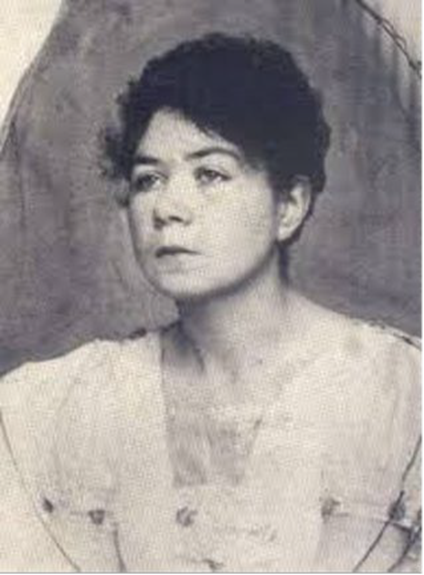
[Alfonsina Storni was born in 1892 in a village in the Swiss Alps but was raised in Rosario, Argentina. She published seven books of poetry and died of breast cancer in 1938 in Buenos Aires. This is her iconic photo, later reproduced on a postage stamp issued in her honor.]
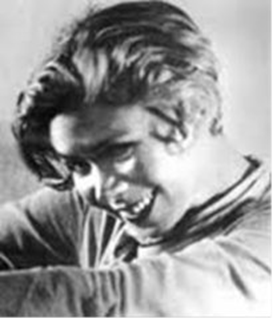
[This youthful portrait captures some of Storni’s verve and good humor. In her teen years, she hoped for a life in theater. While that hope went unfulfilled, her poetry often shows a knack for the dramatic turn and crisp vivid dialogue.]
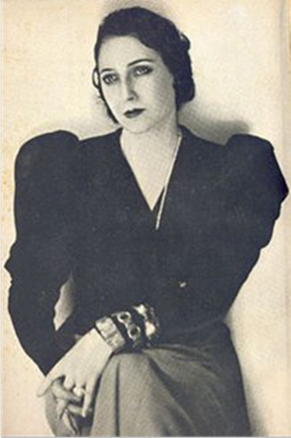
[Juana de Ibarbourou (1892 - 1979): was a celebrated Uruguayan poet and Alfonsina’s good friend. More at home in the Latin world than Storni, she wore her elegance and beauty well. She could easily serve as the model for 'Dolor’.
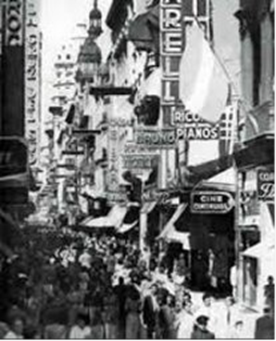
[During Storni’s lifetime, Argentina enjoyed a formidable economy, in 1910, the seventh wealthiest in the world.
Buenos Aires benefitted from being a major port and Argentina’s political, commercial, and cultural center. A third of its urban population was European.
Buenos Aires benefitted from being a major port and Argentina’s political, commercial, and cultural center. A third of its urban population was European.

Storni lived in Buenos Aires during the height of tango and its sensual allure. Carlos Gardél (1890- 1935), the great Argentine composer and performer, earned world-wide fame in those years. Storni delighted in singing popular tango songs till dawn in local bars..
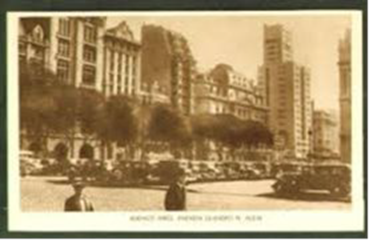
Though on a smaller scale than the American cities of the United States, in South America, Buenos Aires in 1930 boasted splendid buildings, elegant cafes, and broad boulevards.]
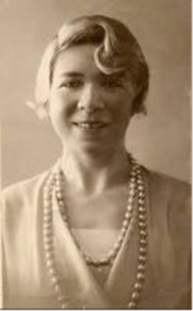
[In several photos, Alfonsina is blonde and obviously European.]
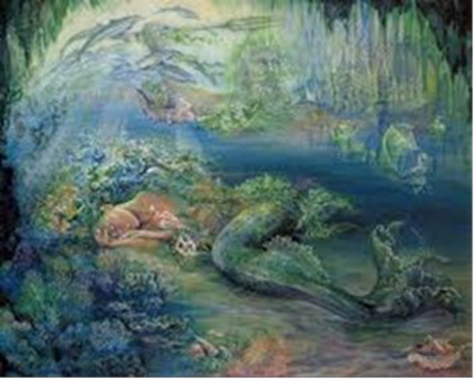
«Alfonsina y el mar» es una zamba compuesta por el pianista argentino Ariel Ramirez y el escritor Félix Luna, publicada por primera vez en el disco de Mercedes Sosa Mujeres argentinas, de 1969. Image Credit: Falsia de Mar of the Union Hispano Americano
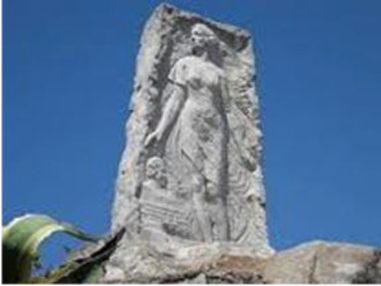
[This monument to Alfonsina at Playa la Perla, Mar La Plata, Argentina shows her as a female warrior, an appropriate depiction of her accomplishment.]